法團話唔得?拆解四個最常見的反對理由Committee said no? The four objections, answered
屋苑安裝充電樁被拒,好少係因為技術唔得,多數係因為冇人解答到法團嘅疑慮。四個常見反對,逐個拆。Estate refusals are rarely technical. They happen because nobody answered the committee's worries. Here are the four you'll hear, and the answers.
Among private estate refusals, very few are actually because the work can't be done. Most happen because the committee or management had a concern and nobody answered it concretely.
These four objections come up at almost every estate.
Objection 1: "It's a fire risk"
The most common and the most powerful, because it's about the safety of the whole building and no committee wants to gamble with that.
How to answer
Not with a vague "chargers are safe", but by listing the actual protective devices:
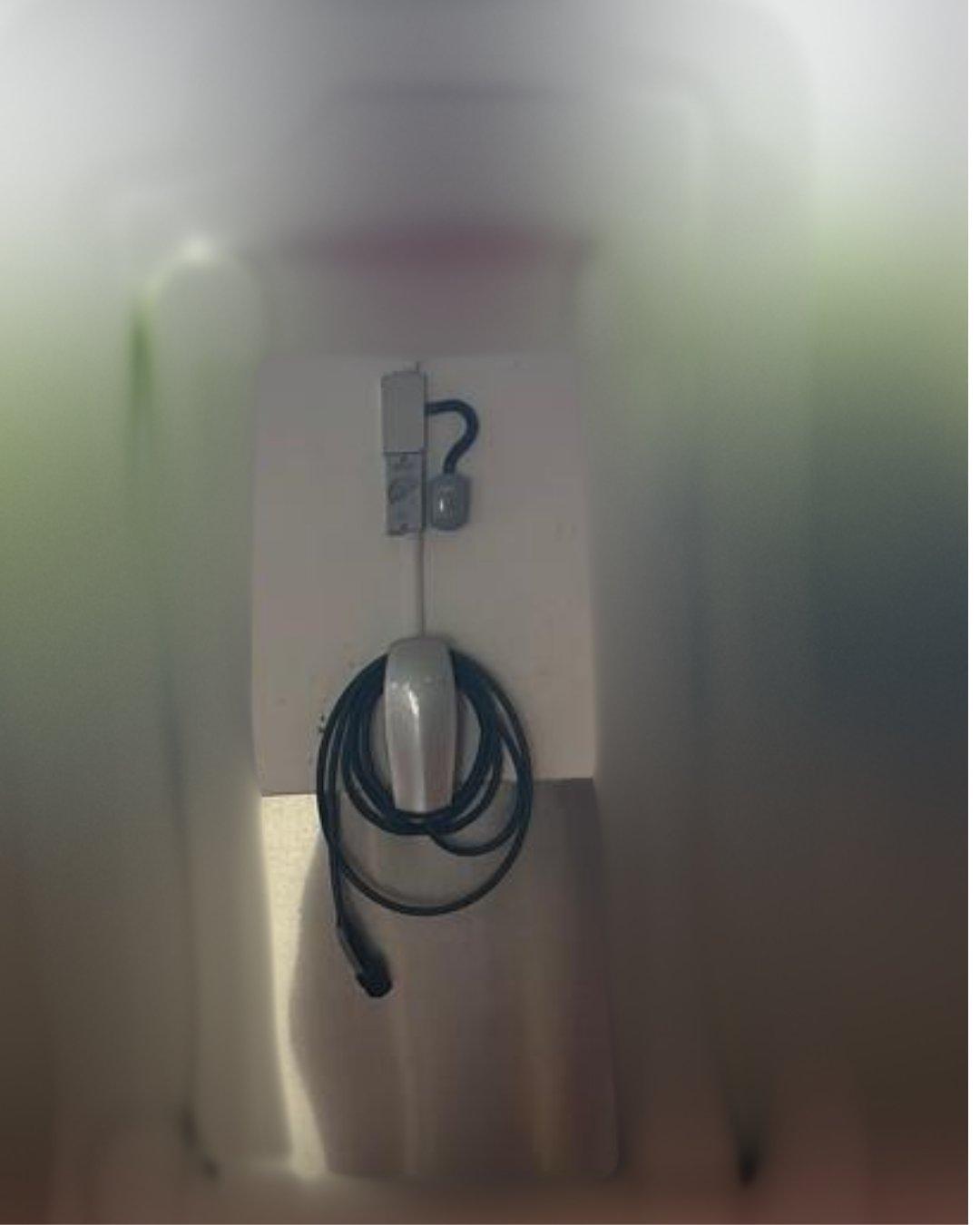
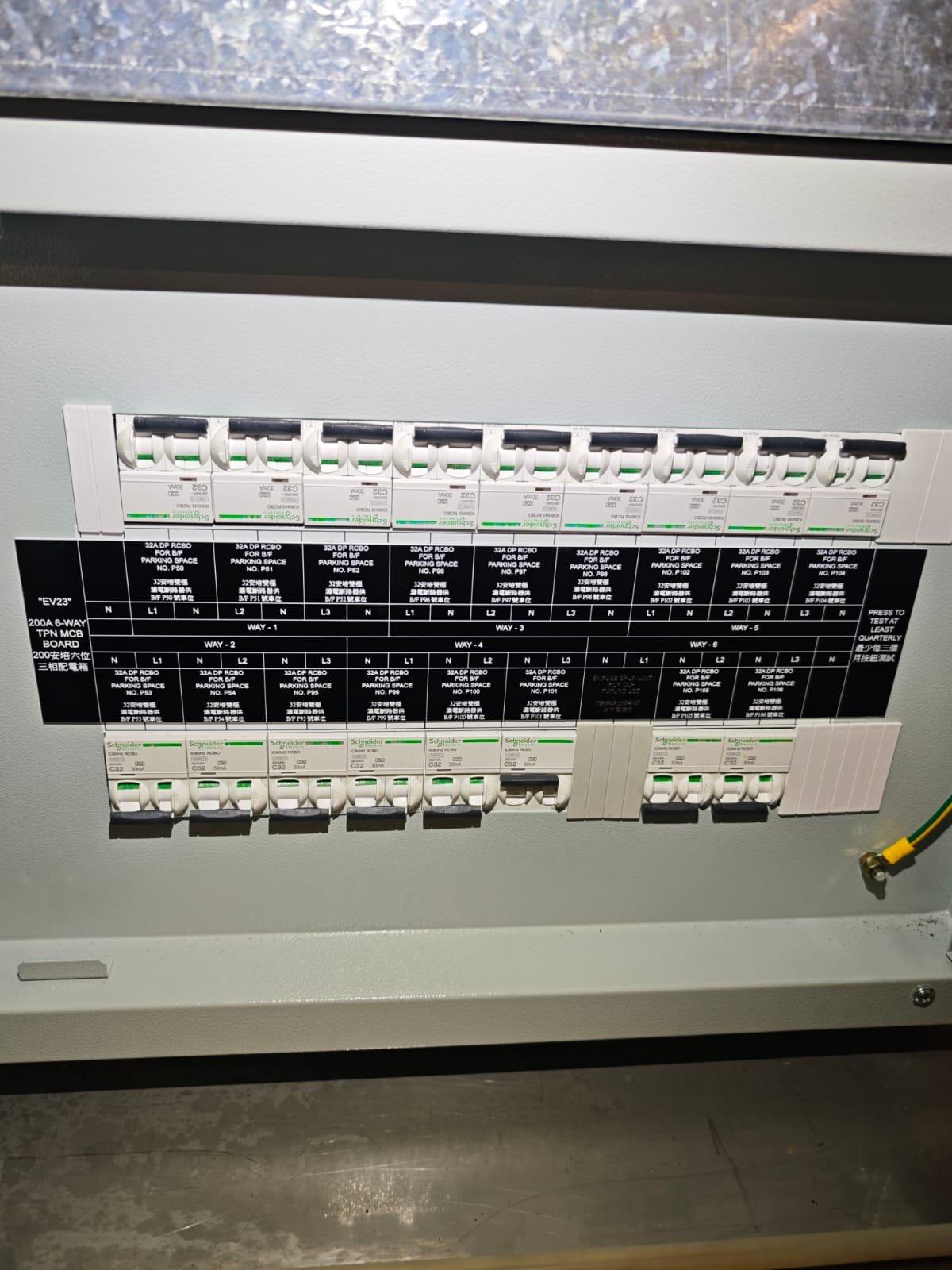
Dedicated circuit and breaker: the charger shares its circuit with nothing else, and trips on overcurrent
Type A plus 6mA DC residual current protection: EV charging can produce a DC leakage component that an ordinary Type AC RCD cannot detect. This is a charging-specific requirement
Temperature monitoring: the unit reduces current or stops if it detects the connection overheating
Earthing: full earthing with test records
Product certification: CE / FCC / UKCA certificates, EMC and LVD test reports
Then add the honest part: the real fire risk is someone charging for hours off a 13A domestic socket, not a compliant installation. Your proposal reduces risk rather than adding it.
Objection 2: "I don't have an EV, why should I pay"
How to answer
Clear this up first: when an individual owner installs a charger, that owner pays for it. It doesn't touch management fees and no other owner contributes. Put this on page one of the proposal, because a lot of opposition comes purely from this misunderstanding.
If you're going through EHSS, the infrastructure is covered by the subsidy — again not apportioned onto management fees.
It's also fair to add that charging facilities in the carpark are a long-term plus for property and rental values, not a minus.
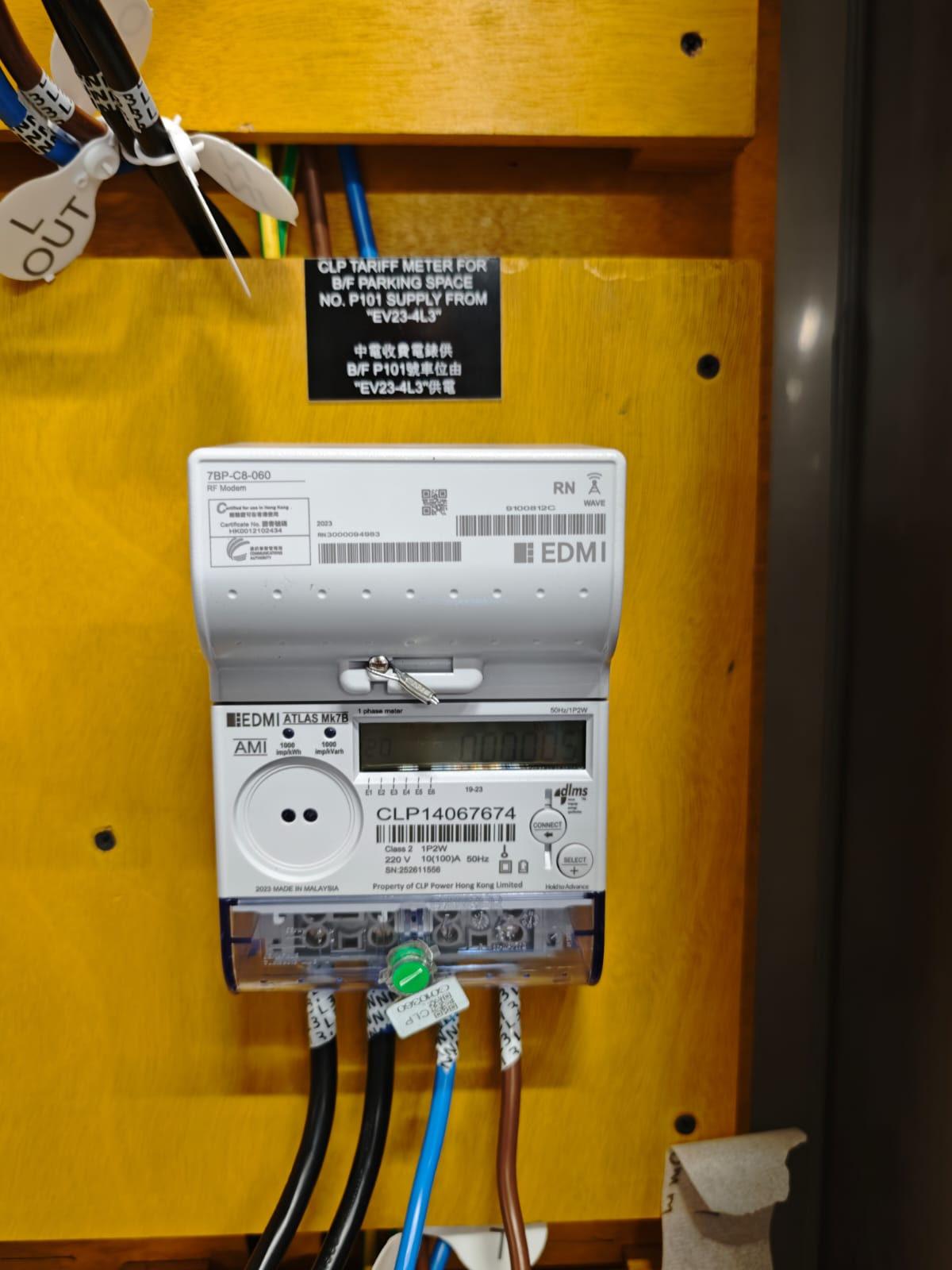
This one needs numbers, not reassurance. Submit a load calculation: existing total capacity, current actual peak demand, demand after the addition, and the headroom left.
If headroom really is tight, propose load management: several chargers sharing a ceiling, with the system allocating automatically so total draw never exceeds the set value. It's a mature approach and can go straight into the proposal.
Objection 4: "What happens when lots of people want one?"
This is the most reasonable objection of the four, and the committee is right to ask it.
How to answer
Agree with it. Yes, more owners will want one over time — which is exactly why it should be planned now rather than bolted on case by case.
That's the logic behind EHSS: build the carpark's electrical backbone once, then let each owner connect to it. Framing your request as "let's start planning" rather than "I want a socket" raises the odds considerably.
Practical tips
Written proposal, one page. Raising it verbally gets it shelved.
Attach everything. Drawings, load calculation, contractor licence, public liability insurance — all at once. One round of missing documents usually costs a whole meeting cycle.
Go in with allies. Three owners proposing together carries far more weight than one.
Ask in writing for the next agenda. A written record is harder to defer indefinitely.
What we handle
We prepare the approval pack for you: layout drawings, electrical load calculations, contractor licence copies and public liability insurance, ready to submit. We can also attend the committee meeting to answer technical questions.
Being refused once doesn't end it — plenty of cases pass on the second attempt with the documents in hand. WhatsApp us your estate and the specific reason given, and we'll help you work out the next move.
有問題想查詢?Got a question?
不一定要幫襯才可以查詢。傳送你的情況給我們,我們一樣會回答。You don't have to be a customer to ask. Send us your situation and we'll answer anyway.