EV 屋苑充電易資助計劃(EHSS):你的屋苑是否合資格?EHSS subsidy: does your estate qualify?
政府資助計劃設有名額及期限,而且必須由整個屋苑聯合申請,並非個別業主可以自行辦理。若有意爭取,宜及早開始游說。The government scheme has quotas and deadlines, and the estate must apply as a whole — not individually. If you want it, start lobbying early.
2026-06-05屋苑攻略Estate tactics
「EV 屋苑充電易資助計劃」(EV-charging at Home Subsidy Scheme,簡稱 EHSS)是環保署推出的資助計劃,目的是幫助現有私人住宅樓宇的停車場,一次過鋪設好充電基礎設施。
The EV-charging at Home Subsidy Scheme (EHSS) is an Environmental Protection Department programme that helps carparks in existing private residential buildings install charging infrastructure in one go.
One thing gets misunderstood constantly, so let's be clear up front:
EHSS doesn't subsidise your personal charger. It subsidises the estate's electrical infrastructure.
Which means you can't fill in a form yourself. The application has to come from the owners' corporation or the management company, on behalf of the whole building or estate.
The basic eligibility conditions
Among other requirements, the applicant must be:
An existing private residential building, already completed and occupied
A carpark forming part of that building and mainly serving its residents
Applying collectively through the owners' corporation, management company or owners' organisation
Prepared to install infrastructure for all eligible parking spaces, not just some
That last point is the one people miss. The scheme is designed to get it done once and properly, so you can't just run cable to the few owners who want it — the whole carpark's electrical backbone has to be built. It's also why full approval is unavoidable.
Why starting early matters
Three practical reasons:
Quotas and deadlines. The scheme has an application window and a funding cap. The later you raise it, the higher the chance of hitting an exhausted allocation or a closed window.
Committee rhythm. Most owners' corporations hold only a handful of general meetings a year. Going from "someone raised it" to "the meeting approved it" to "the application went in" can burn six months to a year. None of that is construction time — it's purely decision time.
A technical assessment comes first. The application needs an electrical assessment and preliminary design for the carpark, prepared by a registered electrical contractor. That takes time too.
If you want to push it at your own estate
A few things that actually work:
Find allies first. One owner raising it alone gets shelved easily. Ask in the estate group chat — you'll usually find you're not the only EV driver.
Put it on one page. Don't do it verbally. Write down what the scheme is, what it funds, and what it means for owners without EVs (the key point: infrastructure is covered by the subsidy, not apportioned onto management fees).
Answer the objections head-on. The two you'll always hear are "I don't have an EV, why should I pay" and "is this a fire risk". Answer the first with the funding source, the second with protective devices and certification.
Ask for it on the next agenda in writing. A written proposal is much harder to defer indefinitely.
Estates that have already completed EHSS
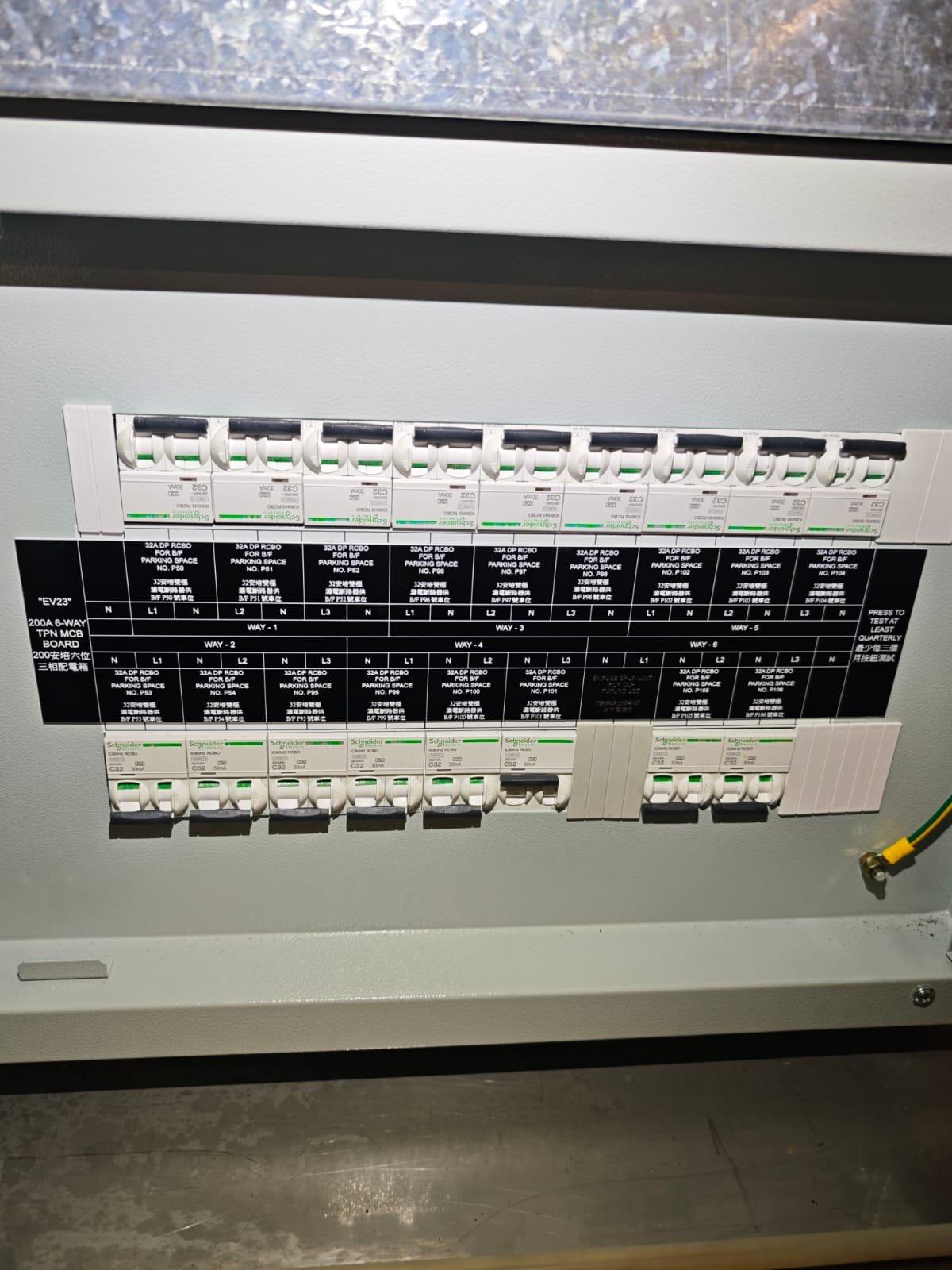
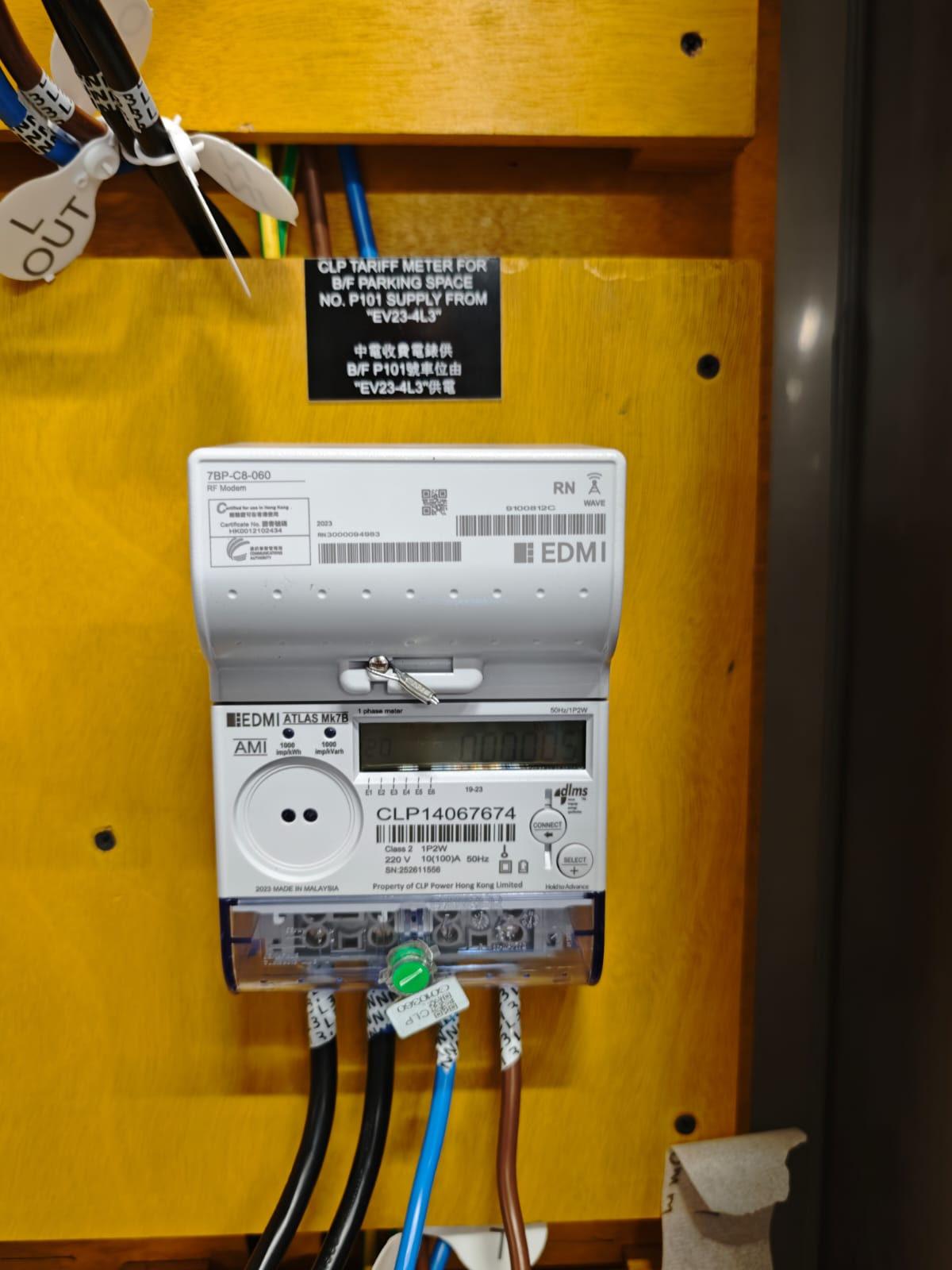
If your estate has already finished its EHSS works, you're in the easiest of the four installation situations: trunking, main switch and circuit capacity are all in place. Registration with management is usually all that's needed, installation lands in two to three weeks, and it sits at the lowest price tier.
Want to know which situation your estate is in? WhatsApp us the estate name and where your bay is, and we'll look into it and explain the next step.
有問題想查詢?Got a question?
不一定要幫襯才可以查詢。傳送你的情況給我們,我們一樣會回答。You don't have to be a customer to ask. Send us your situation and we'll answer anyway.