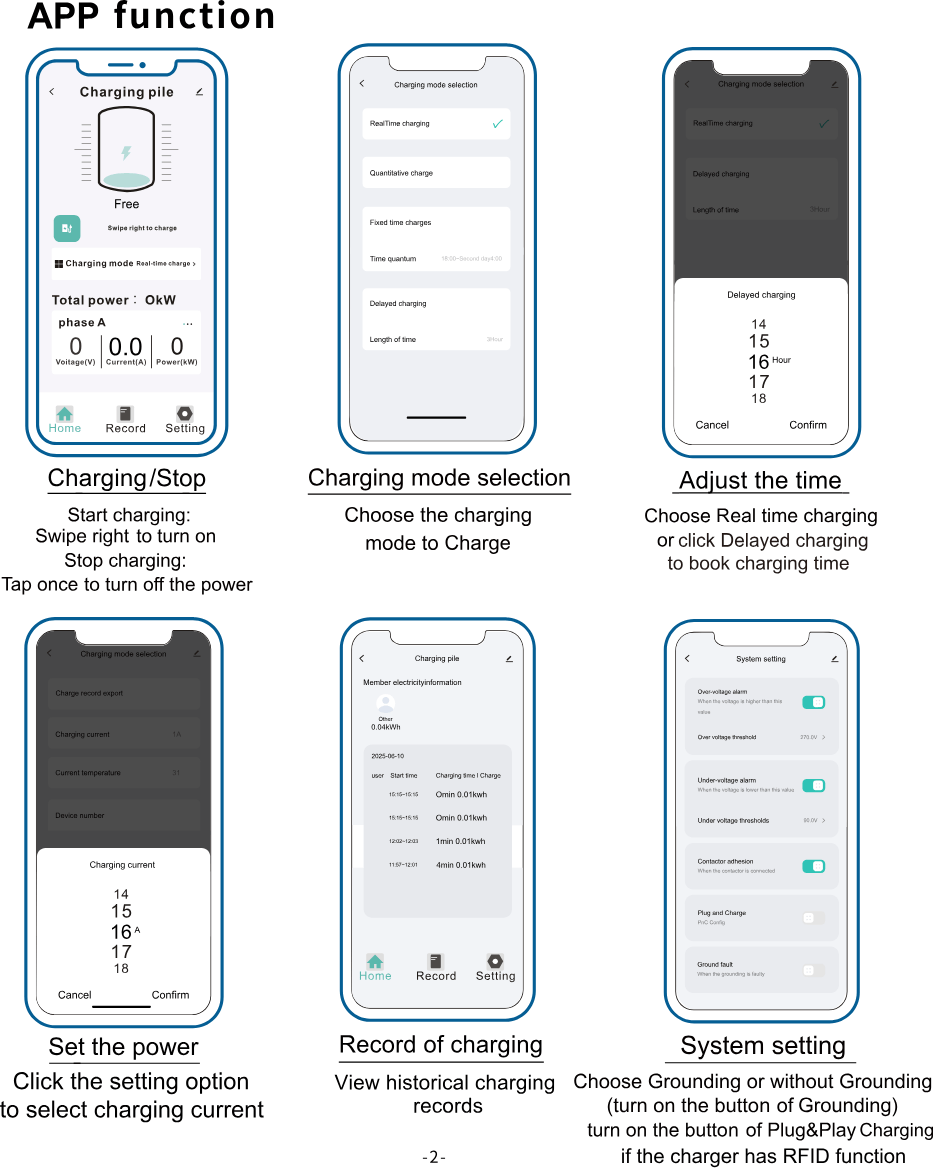
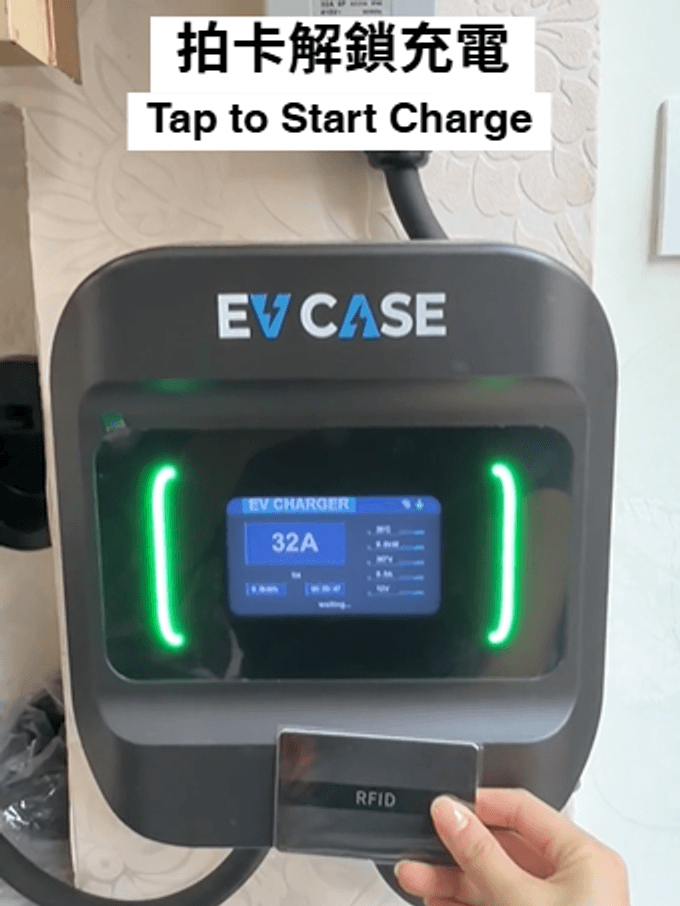
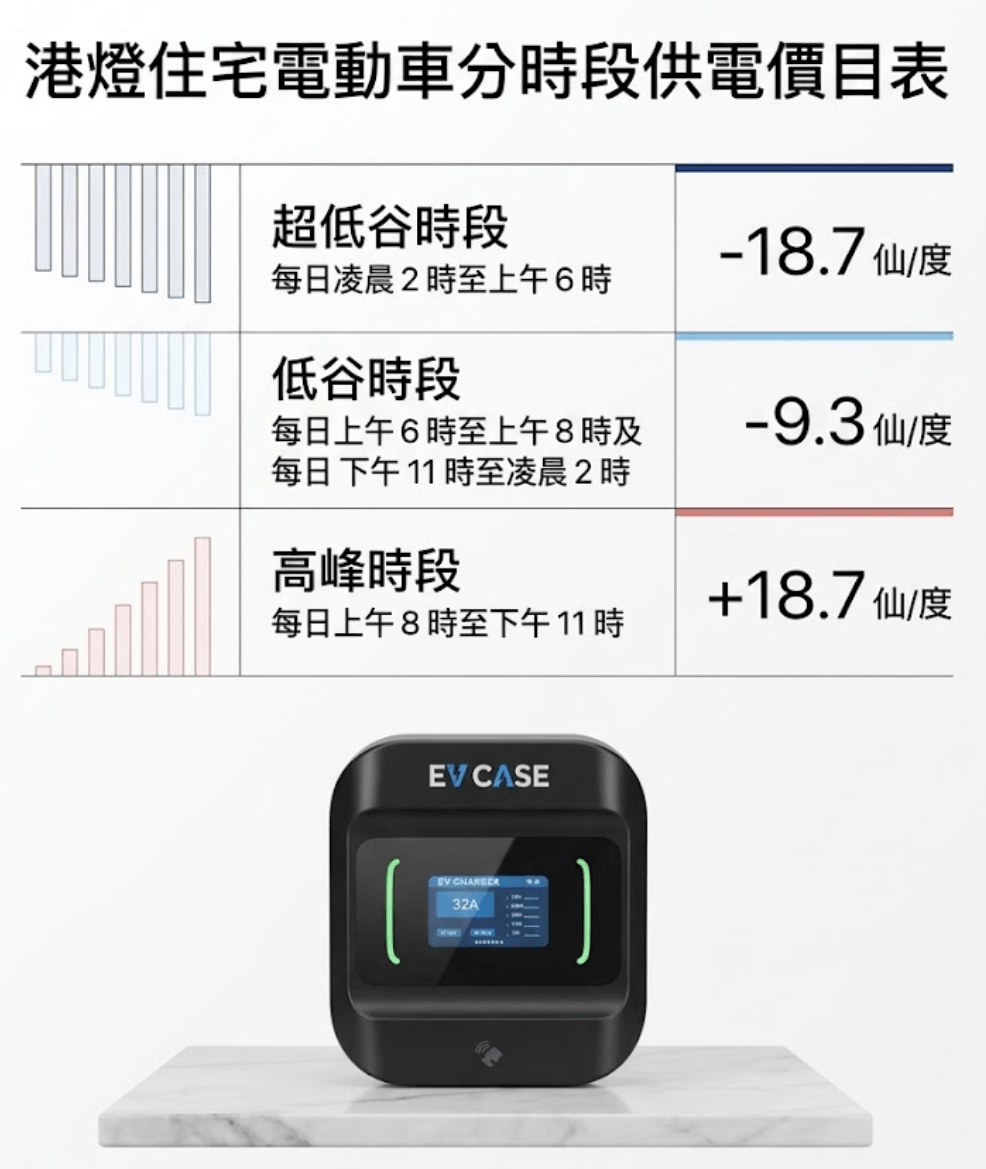
安裝完充電樁,師傅遞一張紙給你,說「這是 WR1」。很多人接過就放進抽屜,甚至不知道那張紙是什麼、日後有什麼用。
WR1 的正式名稱是《完工證明書》(Work Completion Certificate),是機電工程署(EMSD)根據《電力(線路)規例》訂立的法定表格。固定電力裝置完成新安裝、加裝、改裝或維修之後,須由註冊電業工程人員(REW)檢查及測試,再由註冊電業承辦商(REC)簽發。
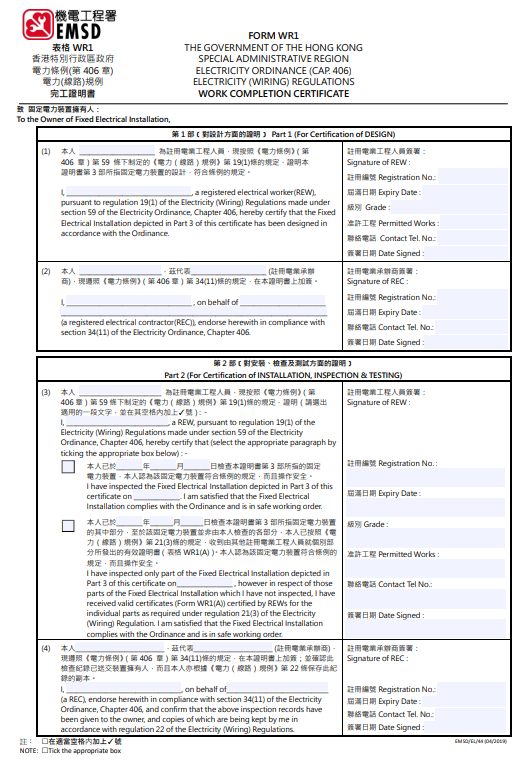 表格 WR1《完工證明書》。表格分四部分:設計、安裝、檢查及測試,以及承辦商認可 —— 四格都要有人簽名。
安裝電動車充電樁,幾乎一定涉及固定電力裝置:由電箱拉一條專用線路、加裝保護裝置、接駁固定式充電器。所以幾乎一定要有 WR1。
哪些工程要簽 WR1?
以下工程完成後,一般都需要檢查、測試及簽發 WR1:
- 新安裝固定電力裝置;
- 在原有裝置上加裝插座、電掣、電箱或電纜;
- 改裝現有線路、配電箱或供電系統;
- 電動車充電器及其專用供電線路;
- 住宅裝修涉及的電力工程;
- 大廈公用電力裝置改裝或增設;
- 固定電力裝置維修後重新投入使用。
留意最後一項:即使只是「修理」,受影響的部分一樣要由註冊電業工程人員檢查、測試及認證。
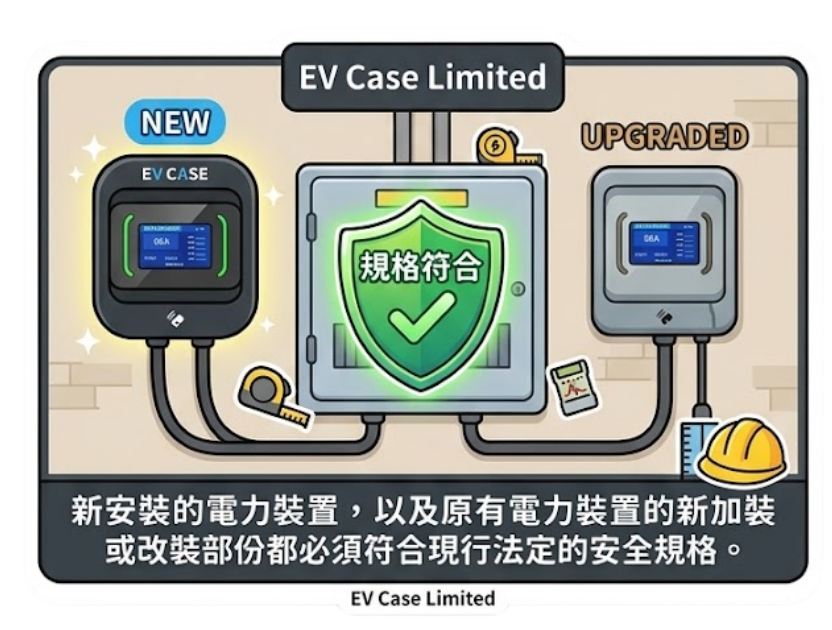 不只是新裝的那一截。原有裝置被你改動過的部分,同樣要符合現行規格。
為什麼這張紙重要
它證明工程通電之前已經測試過
次序不能倒轉。電力裝置必須在通電使用之前完成檢查、測試及認證 —— 不可以先用一段時間,出事或者要賣樓時才補一張。
它是你日後唯一的工程紀錄
驗樓、出租、買賣、保險索償、管理處查問、日後加裝或維修,全部都可能要你拿出這張紙。充電樁尤其常見:換車、加多一部車、或者屋苑之後要你證明線路合規,WR1 就是那份證明。
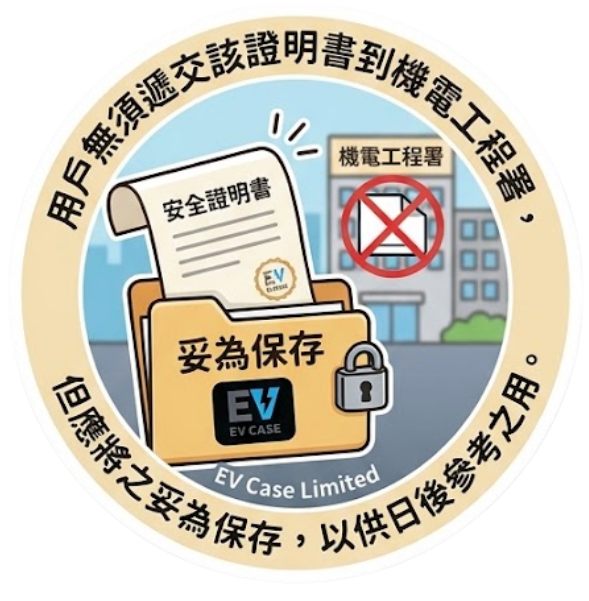 業主一般毋須把 WR1 交去機電工程署,但要自己保存好。
它把責任寫在紙上
WR1 上面有 REW 的註冊編號同級別、REC 的註冊編號同簽署。萬一日後有爭議,這張紙說明了是誰做的、誰驗的、什麼時候驗的。一張沒有註冊編號的「合格證明書」做不到這件事。
正確的流程:五步
1. 先做可行性評估
動工之前,先讓註冊電業承辦商評估:
- 現有電箱及供電系統是否足夠;
- 電線規格及載流量是否符合要求;
- 是否需要加設獨立電路;
- 是否需要加裝漏電斷路器及其他保護裝置;
- 大廈公用電力系統是否容許;
- 電力公司的批准負荷是否足夠。
裝充電樁還要多算一項:充電功率、每日用電量,以及日後會不會再加一部車。這一步做得準,後面就不會出現「拉完線才發現負荷不夠」。
2. 確認電力負載
住宅同時開冷氣、熱水爐、煮食爐具,再加一部 7kW 充電樁,總負載會明顯上升。如果現有批准負荷不足,就要先向電力公司申請加大 —— 這件事必須在施工前確認。想知道自己現在有多少,先由讀懂你的電錶開始。
3. 由註冊電業承辦商施工
固定電力裝置的安裝、改裝、維修及測試,必須由註冊電業承辦商安排合資格人員做。裝修師傅或無牌電工做完,是簽不到 WR1 的 —— 不是「唔想簽」,是法例上簽不到。
以充電樁為例,工程通常包括:
4. 通電前檢查及測試
註冊電業工程人員要在通電前完成測試。項目按工程性質而定,常見的有:
| 測試 |
驗什麼 |
| 導體連續性 |
保護導體及接地線是否全程接通 |
| 絕緣電阻 |
線路有沒有漏電風險 |
| 極性 |
火線、中性線、地線有沒有駁錯 |
| 接地故障迴路阻抗 |
短路時保護裝置能否及時跳掣 |
| 漏電保護裝置 |
RCD/RCBO 的跳脫時間是否合格 |
| 功能測試及目視檢查 |
實際通電之後運作正常 |
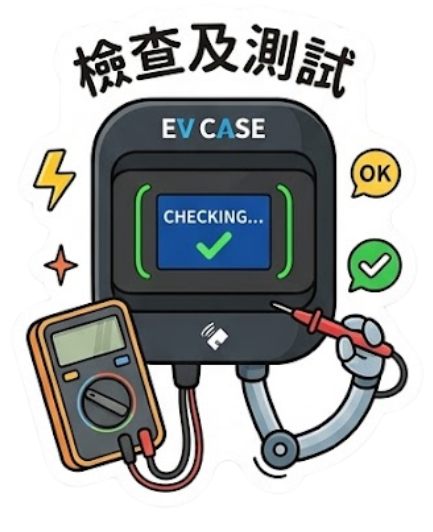 測試不是「開機試吓有無電」。每一項都有法定的合格數值,不合格就要改到合格為止。
5. 簽發及保存
測試合格後,REW 簽署,REC 確認及簽發給電力裝置擁有人。你收到的那一份要自己保存。
WR1 同 WR1(A) 有什麼分別?
| 表格 |
用途 |
| WR1 |
整個固定電力裝置或指定完整工程已完成、檢查及測試 |
| WR1(A) |
固定電力裝置的部分工程已完成及通過檢查 |
實際用哪一份,由負責工程的 REC 及 REW 按工程範圍判斷。業主不應自行填寫,也不應要求不具資格的人代簽。
常見問題
要交去機電工程署嗎?
一般情況下不用。但要妥善保存,日後維修、驗樓、轉售或查詢時用得着。
未有 WR1 可以先用嗎?
不應該。檢查、測試、認證,然後才通電 —— 這個次序是規例訂明的。
我只是把充電器插在普通 13A 插座,也要 WR1 嗎?
要看工程有沒有改動固定電力裝置。如果純粹插在原有插座、沒有新增線路,那就不涉及;但如果為此加了一個掣位、改了電箱、或裝了固定式充電器,就要先由註冊電業承辦商評估。不能單看插頭的形狀來判斷。順帶一提,13A 掣位充電有它自己的限制 —— 見新型屋苑(13A 掣位)的做法。
誰有資格簽?
由負責工程的註冊電業工程人員簽署,並由相應的註冊電業承辦商確認及簽發。兩個人、兩個註冊編號,缺一不可。
報價包唔包 WR1?
這是落單前一定要問清楚的一句。建議逐項確認:電力評估、註冊電業承辦商施工、檢查及測試、正式 WR1 完工紙、測試紀錄、配合屋苑/管理處/電力公司的文件。
揀承辦商時應該問的幾件事
- 是否註冊電業承辦商?(機電工程署的公開名冊可以查,EV CASE 的註冊編號是 040287)
- 負責測試的人員是否合適級別的註冊電業工程人員?
- 報價有沒有包檢查、測試及正式 WR1?
- 會不會提供測試紀錄?
- 能否配合屋苑、管理處或電力公司的文件要求?
- 充電樁規格與現場供電系統是否匹配?
- 保養及售後怎樣安排?
WR1 不是普通收據,也不是裝修公司自印的「合格證明」。它必須由負責工程的註冊電業工程人員簽署,並由相應的註冊電業承辦商確認。
一句話總結
通電之前檢查測試,測試合格才簽 WR1,簽完自己收好。次序倒轉了,那張紙就沒有意義。
正在計劃安裝充電樁,想先弄清楚自己的情況需要什麼文件?WhatsApp 傳電錶箱及車位相片給我們,我們會告訴你要做哪幾步、會拿到哪幾份紙。也可以先看村屋及獨立屋的完整安裝流程。
The installer hands you a sheet of paper at the end of the job and says "that's your WR1". Most people file it away without knowing what it is or when they'll need it.
WR1 is the Work Completion Certificate — a statutory form issued under the Electricity (Wiring) Regulations. After a fixed electrical installation is newly installed, added to, altered or repaired, a Registered Electrical Worker (REW) inspects and tests it, and a Registered Electrical Contractor (REC) issues the certificate.
Form WR1. Four parts — design, installation, inspection and testing, and the contractor's endorsement — and every one of them needs a signature.
Installing an EV charger almost always involves the fixed installation: a dedicated circuit from the board, added protective devices, a hard-wired charger. So it almost always needs a WR1.
Which jobs need one?
- A new fixed electrical installation;
- Adding sockets, switches, boards or cables to an existing one;
- Altering existing wiring, distribution boards or the supply arrangement;
- An EV charger and its dedicated supply circuit;
- Electrical work forming part of a renovation;
- Alterations or additions to a building's communal installation;
- Putting a fixed installation back into service after a repair.
Note that last one. Even a repair means the affected part has to be inspected, tested and certified again.
It isn't only the new section. Whatever you changed in the existing installation has to meet current standards too.
Why the certificate matters
It proves the work was tested before it was energised
The order can't be reversed. The installation must be inspected, tested and certified before it is put into use — not used for a while and certified later when something goes wrong or the flat is sold.
It's your only record of the job
Building inspections, letting, selling, insurance claims, questions from estate management, and any future addition or repair can all call for it. Chargers especially: change car, add a second one, or have the estate ask you to show the circuit is compliant, and the WR1 is the proof.
You don't file it with the EMSD. You keep it.
It puts responsibility in writing
The form carries the REW's registration number and grade, and the REC's number and signature. If there's ever a dispute, it says who did the work, who tested it and when. A "pass certificate" with no registration numbers on it does none of that.
The correct sequence, in five steps
1. Feasibility assessment first
Before anything is installed, have a registered contractor check:
- whether the existing board and supply are adequate;
- whether the cable size and current rating suit the load;
- whether a dedicated circuit is needed;
- whether an RCD and other protective devices are required;
- whether the building's communal system allows the work;
- whether the approved load from the power company is sufficient.
For a charger, add the charging power, the daily consumption and whether a second car is coming later. Get this right and you never hit "the cable's in and the load isn't there".
2. Confirm the load
Air conditioning, water heater, cooking and a 7kW charger at the same time adds up. If the approved load isn't enough, the application to increase it has to happen before the work, not after. To see where you stand today, start with reading your own meter.
3. A registered contractor does the work
Installation, alteration, repair and testing of a fixed installation must be carried out by a registered contractor's qualified people. A renovation crew or an unregistered electrician can't sign a WR1 — not "won't", can't.
For a charger that normally means:
- running a dedicated circuit from the board;
- fitting protection of the right type (see Type A + 6mA DC protection);
- connecting the charger and its controls;
- checking earthing and equipotential bonding;
- testing insulation, polarity, earthing and RCD operation.
4. Inspect and test before energising
The REW completes testing before the installation is put into service. What gets tested depends on the job, but typically:
| Test |
What it proves |
| Continuity |
Protective and earth conductors are connected end to end |
| Insulation resistance |
The wiring isn't leaking |
| Polarity |
Live, neutral and earth aren't crossed |
| Earth fault loop impedance |
Protection will trip fast enough on a fault |
| RCD operation |
The RCD/RCBO trips within its rated time |
| Functional and visual check |
It actually works once energised |
Testing isn't "switch it on and see". Each test has a pass value in the regulations, and a fail means rework until it passes.
5. Issue and keep
Once the tests pass, the REW signs, the REC endorses and issues it to the owner of the installation. Your copy is yours to keep.
WR1 versus WR1(A)
| Form |
Used for |
| WR1 |
A complete fixed installation, or a defined complete job, finished and tested |
| WR1(A) |
Part of a fixed installation, finished and passed |
Which form applies is the contractor's and worker's call, based on the scope. Owners shouldn't fill one in themselves, or ask someone unqualified to sign it.
Common questions
Do I send it to the EMSD?
Normally no. Keep it safe for future repairs, inspections, sale or queries.
Can I use the installation before the WR1 is issued?
You shouldn't. Inspect, test, certify, then energise — that order is what the regulations set out.
I just plug the charger into an ordinary 13A socket. Do I still need one?
It depends on whether the fixed installation was altered. Plugging into an existing socket with no new wiring doesn't involve it. Adding an outlet for it, changing the board, or fitting a hard-wired unit does — and that needs a registered contractor to assess first. The shape of the plug doesn't decide it. Worth knowing that 13A charging has limits of its own — see how newer estates with 13A outlets are done.
Who can sign it?
The REW who did the work signs; the corresponding REC endorses and issues. Two people, two registration numbers, neither optional.
Is the WR1 included in the quote?
Ask before you order, item by item: load assessment, work by a registered contractor, inspection and testing, the WR1 itself, the test records, and any paperwork the estate or power company wants.
What to ask a contractor
- Are you a registered electrical contractor? (The EMSD register is public — EV CASE is 040287.)
- Is the person testing a REW of the right grade?
- Does the quote include inspection, testing and the WR1?
- Will I get the test records?
- Can you handle the estate's and power company's paperwork?
- Does the charger suit the supply on site?
- What are the warranty and after-sales arrangements?
A WR1 is not a receipt, and not a "pass certificate" a renovation company prints for itself. It has to be signed by the REW who did the work and endorsed by the corresponding REC.
In one line
Test before energising, certify once it passes, then keep the certificate. Do those in a different order and the paper means nothing.
Planning an installation and want to know which documents your situation needs? WhatsApp us a photo of the meter box and the bay and we'll tell you the steps and the paperwork. Or start with the full village and detached house procedure.